

By Maxwell Kablan
Sponsorship revenue in football is growing year on year, and the range of brands putting their name on clubs is getting wider. In the Premier League alone, the front-of-shirt market is now worth £444 million this season, up from £410 million in 2025/26, according to Ampere Analysis.
The new 2026/27 season is a reflection of this. But what is happening in the sponsorship world, which sectors are coming into football sponsorship, and why? In this article, we break down the sponsorship trends in the Premier League and what they could mean going forward.
The Impact of the Betting Ban
Without a doubt, the biggest shake-up in Premier League sponsorship came at the start of the season, when the league's voluntary ban on betting sponsors on the front of shirts took effect.
For many clubs, betting sponsors had been a stable and lucrative source of revenue for years. The ban left clubs with a gap to fill, and at the same time gave companies from other sectors a way into Premier League sponsorship.
So far, it has worked. Ampere Analysis found that front-of-shirt revenue rose 8% to £444 million despite the ban. Of the eight clubs that had gambling sponsors last season, namely Aston Villa, AFC Bournemouth, Brentford, Crystal Palace, Everton, Fulham, Nottingham Forest and Sunderland, their combined front-of-shirt revenue grew from £67 million to £75 million.
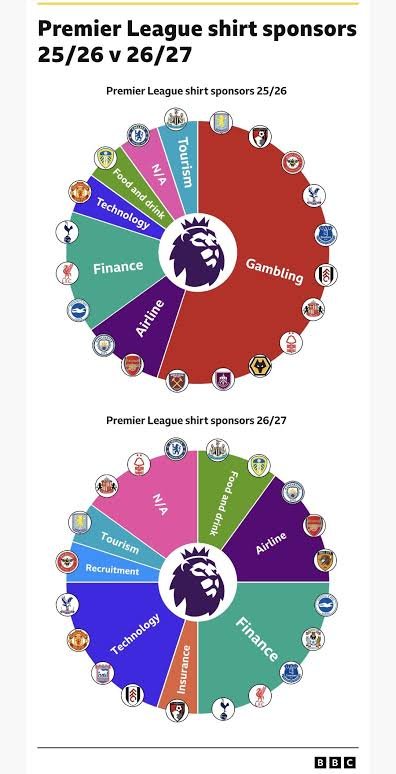
A Sponsorship chart split by category showing the change from 2025/26 to 2026/27
The Rise in Financial Services Providers
Financial services has grown the most in front-of-shirt sponsorship. At the start of the 2025/26 season, only three clubs had a finance company as their shirt sponsor. That number has doubled this season.
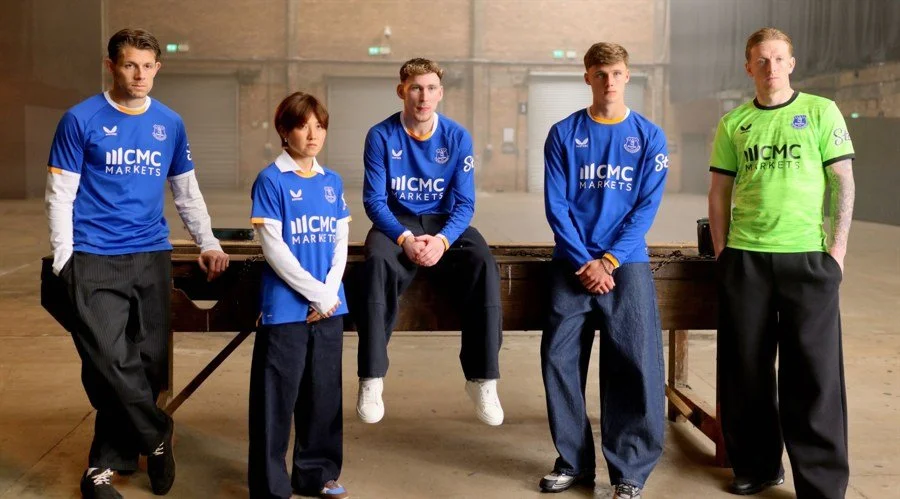
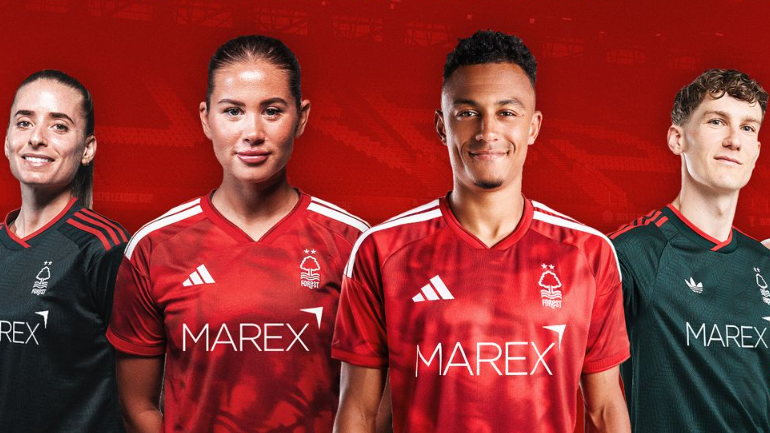
Everton and Nottingham Forest both turned to financial services to replace their betting sponsors. Everton replaced Stake with CMC Markets, while Forest replaced Bally's with Marex. Both are new to Premier League shirt sponsorship, and both deals give them exposure to a far bigger audience than they had before.
CMC Markets, a FTSE 250 trading and investing firm, has signed a multi-year deal that puts its logo on the front of Everton's men's, women's and under-21s shirts. The rights also cover branding at Hill Dickinson Stadium, Goodison Park and the club's Finch Farm training ground, and the two will run financial literacy programmes in the Liverpool City Region. Stake has not left either, but more on that below.
Marex's multi-year deal with Forest covers the men's and women's teams as well as the netball team's dresses, and also makes Marex the club's Global Markets Partner. Marex says the women's team link is part of a push to encourage more women into careers in finance, and the two plan to raise awareness of those opportunities together. City AM reported the deal is worth around £25 million over three years, although that figure hasn't been confirmed. It also ended a pre-season in which Forest had no front-of-shirt sponsor at all. They join Liverpool, Tottenham, Brighton and Coventry City, all of which already had finance sponsors.
The Surge in Technology and AI
There has also been an increase in the technology and AI sectors. Last season, the sector had only one front-of-shirt sponsor across the Premier League, but that has risen to four this season.
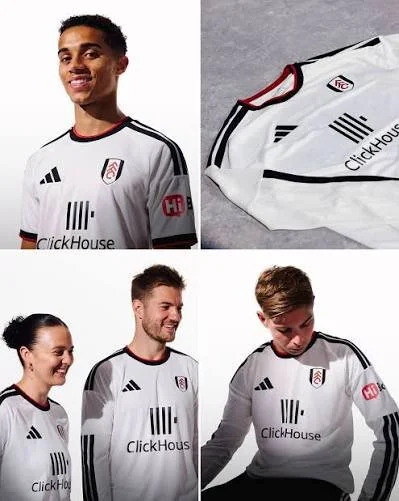
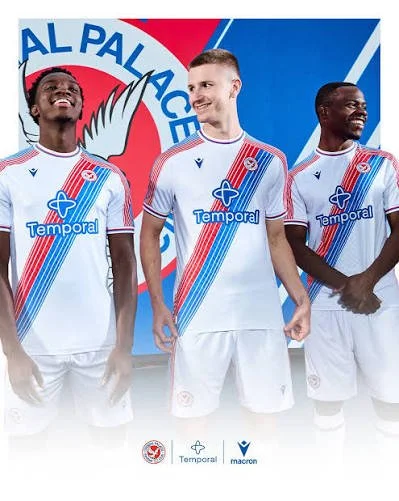
Two clubs have moved from a betting sponsor to a technology or AI one. Fulham partnered with ClickHouse, which specialises in data analytics, while Crystal Palace partnered with Temporal, a software company that powers AI technology. As part of the Palace partnership, there will also be AI and technology workshops for young people across the Croydon region, a good example of how partnerships can make a meaningful impact in their communities.
The rise in technology-themed sponsorship isn't limited to the front of the shirt. Clubs now have official technology partners, offering fans the opportunity to see high-stake moments through unique camera angles, enhancing fan experience. Liverpool and Arsenal both have Google Pixel and their technology partner, while Snapdragon is both the official technology and front-of-shirt sponsor for Manchester United.
Chelsea and Fulham both have sponsorships aimed at making their legal work run more efficiently, with Chelsea starting a new partnership with Legora AI and Fulham starting one with Harvey. Both are redefining what sports sponsorship can look like in the current market.
Chelsea have also moved into the cryptocurrency market with their new front-of-shirt sponsor, Circle, the issuer of the USDC stablecoin. They are the first Premier League club to put a crypto company on the front of the shirt, a step up from the sleeve and training kit deals crypto brands have taken at other clubs.
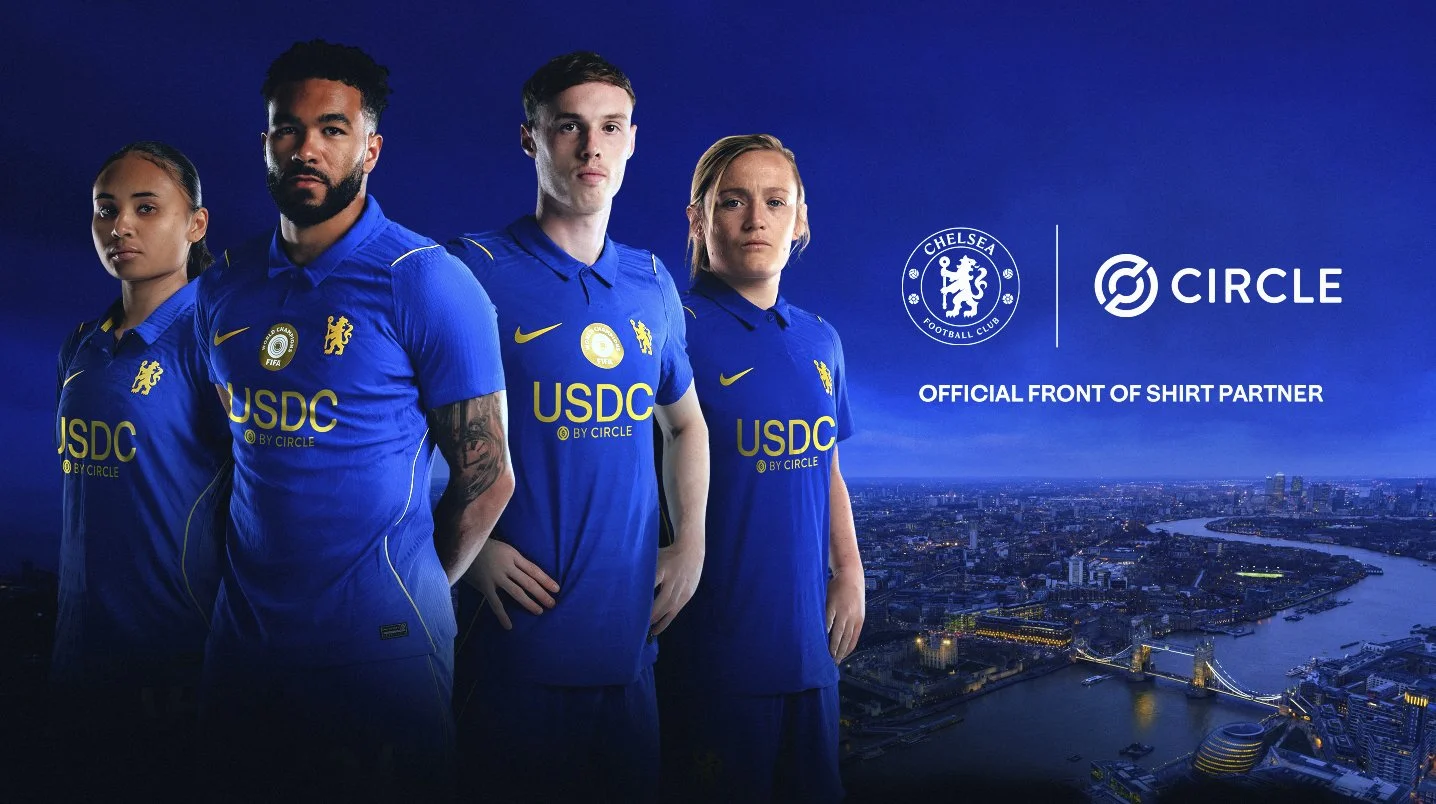
The deal was announced on 28 August, after Chelsea had started the season with a blank shirt, which has become a familiar pattern: they haven't had a front-of-shirt sponsor for a full season in three years. Financial terms haven't been disclosed. Reports earlier this year said Chelsea were looking for around £65 million a year, but that was their target rather than a confirmed figure.
For Circle, the appeal is awareness. Chelsea's global following gives USDC a way to reach a mainstream audience well beyond the crypto world. For Chelsea, it brings an end to a run of short-term and late-signed shirt deals, with the USDC branding on the men's, women's and academy shirts.
Betting is Very Much Still in the Picture
While betting sponsorship may have been moved off the front of the shirt, betting firms are well and truly still in the picture. Many of the clubs that had betting front-of-shirt sponsors last season have moved them to other parts of the kit, keeping a good share of that revenue.
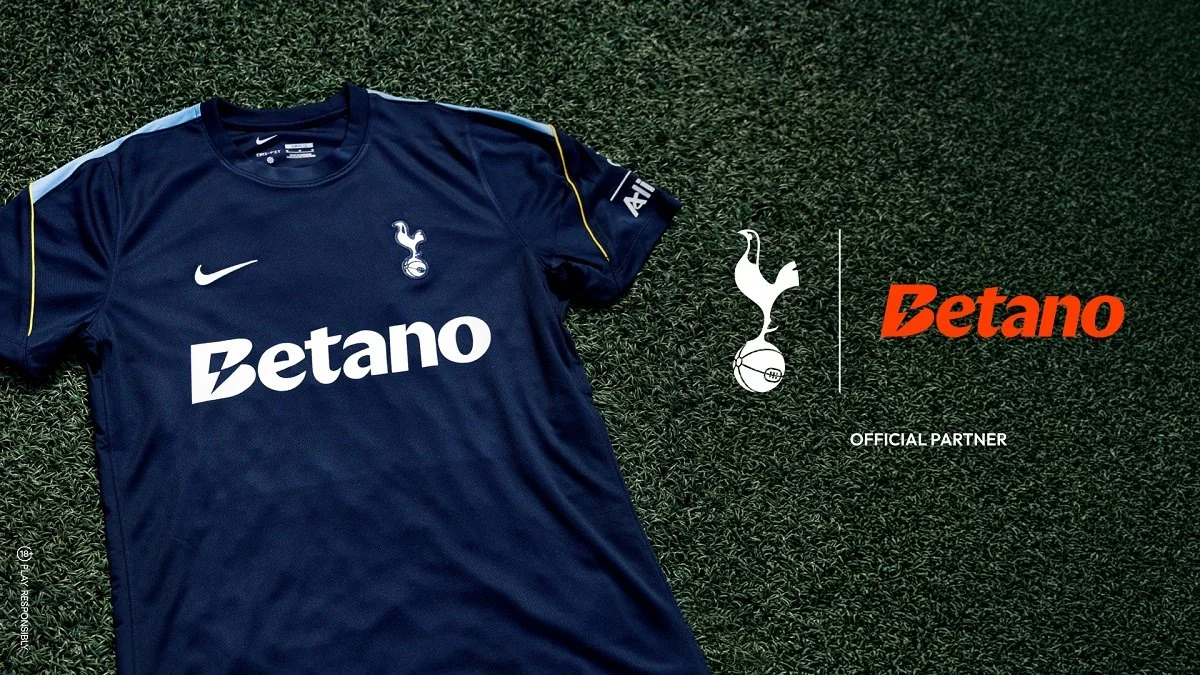
Everton and Aston Villa both moved their former front-of-shirt partners, Stake and Betano, onto the sleeve rather than losing them all together. Villa's deal with Betano now runs to the end of 2028/29, while their shirt front has gone to Visit Rwanda, another sign of a new category coming in. Tottenham have taken the training wear route, signing Betano to replace BetMGM.
But the biggest example of all is Manchester United. In August, United announced Betway as their training kit sponsor across both the men's and women's teams, in a deal reportedly worth £20 million a year, said to be the most valuable training kit or sleeve deal in world football.
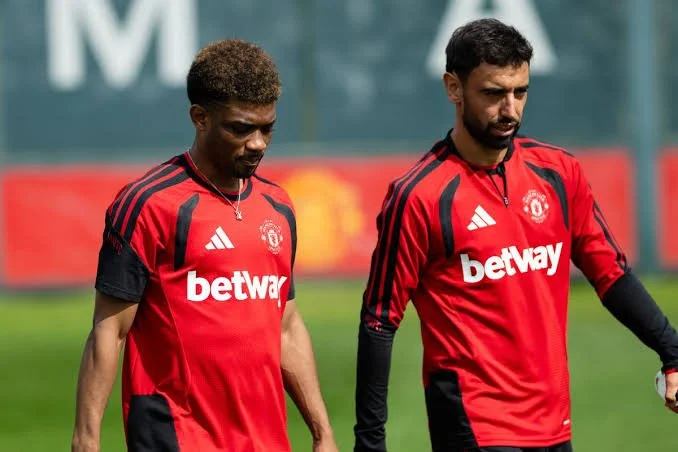
United had no training kit sponsor last season, so the deal turns inventory that wasn't earning anything into one of the club's most lucrative sponsorship assets. It is also striking because Betway were a long-time front-of-shirt sponsor at West Ham, so their willingness to invest this heavily suggests there is real value beyond front-of-shirt prominence alone.
Together, these deals suggest the ban has redirected betting money rather than removed it. The numbers show its limits, though. Ampere estimates that betting sponsorship across all Premier League assets has fallen from £155 million to £63 million this season, a drop of almost 60%, and the number of betting deals is down 21%.
This visibility is something The Athletic has highlighted, reporting that the front-of-shirt ban has “barely scratched the surface” when it comes to limiting exposure to betting brands. This is the first season since 2003/04 without a gambling company on a Premier League shirt front, but sleeves, training wear and advertising boards have kept betting firms in view. A University of Bristol study found 15,571 gambling messages during live UK coverage of the opening weekend, with almost a fifth of broadcast time featuring betting marketing. That is 10.5% lower than the previous season, but still 41% higher than the same weekend in 2023.
This raises questions over whether the voluntary front-of-shirt betting ban achieved its intended effect. The link between betting and football is intrinsically linked, and a front-of-shirt ban has not and will not change that.
Six betting companies have signed new sleeve or training kit deals, so the demand is still there, just at a lower level.
What the ban has done is open the front of the shirt to other categories. Finance, technology and now crypto have all moved in, and with betting brands settling for secondary positions, those are the sectors to watch as clubs start planning their next round of deals.
The Legal Implications
The move into finance and crypto brings sponsorship under a different set of rules. Crypto marketing has been inside the FCA’s financial promotions regime since October 2023, and in June 2026 the FCA warned clubs that unauthorised firms may be breaching financial promotion rules by using high-profile sponsorships to target fans. Clubs are expected to carry out ongoing due diligence on their financial services sponsors. A logo on a shirt can give a brand credibility with supporters, which is why the regulator is paying attention.
The betting ban sits in a very different position, because it is voluntary. Clubs agreed it in April 2023, with reports that the government would otherwise have looked to legislate, so it is a league rule rather than a legal restriction. That explains why sleeves, training wear and advertising boards remain open to betting brands. Whether the rules go further is a question for government and regulators, and the Bristol study and The Athletic’s reporting will keep that debate alive.
For clubs and sponsors, this puts more weight on the contract. Deals are likely to need clear warranties on a sponsor’s regulatory status, proper due diligence before signing, and termination rights if a sponsor’s authorisation or the rules change. As more regulated sectors enter football, that protection becomes as important as the logo itself.
What does this all mean for the future?
The betting ban has given a pathway for emerging sectors to grow their footprint within sports sponsorship. Rather than a single leading category dominating the space, the market is now more open than it has ever been. This will create new opportunities for bespoke, one-of-a-kind sponsorship. There is room for brands and clubs to build partnerships around shared goals, as seen with Everton’s financial literacy programmes, Palace’s technology workshops and Marex’s push for women in finance, rather than relying on logo exposure alone.
It will be interesting to see which new sectors emerge, and whether any begin to dominate. But one thing is for sure. The sponsorship space is no longer built around a single category, and the clubs that can show sponsors value beyond the front of the shirt will be best placed for the next round of deals.
